Short-form creators
Turn hooks, explainers, and listicle scripts into clean narration that leaves more time for visual pacing and captions.
veed ai video generatorAI voice creation for video
The veed ai voice generator turns a written script into a polished voice track you can shape, caption, and place directly into a video. Veed AI keeps the voice workflow close to the edit, so you can move from idea to publishable content without switching tools.
The dedicated voice entry point is built for one job: getting spoken audio from a script quickly. The general Veed AI editor is broader, while this focused workflow gives narration a clearer starting point and keeps the finished track ready for the timeline.
Start with a concise script, narration outline, or scene-by-scene brief that gives the voice a natural rhythm.
Choose a voice direction, adjust pacing where needed, and listen for pronunciation before building the scene.
Pair the voice with visuals, captions, music, and your preferred format without losing the original narration.
Focused capability
Veed AI is more than a place to record a take. Its voice generator workflow helps you create consistent spoken audio, prepare it for a visual sequence, and keep the result editable. These use cases show where the focused tool fits best.
Turn hooks, explainers, and listicle scripts into clean narration that leaves more time for visual pacing and captions.
veed ai video generatorCreate a usable scratch voice before the cut is locked, then refine the timeline around the narration instead of guessing at timing.
veed ai video editorGive lessons, demos, and product walkthroughs a dependable spoken layer without booking a separate recording session.
veed ai caption generatorKeep campaign narration moving when a brand needs several variations, formats, or localized edits from one approved script.
build campaign videos with Veed AIA practical first run
Keep the first experiment short and specific. A 30 to 60 second script makes it easier to judge pronunciation, pacing, and tone before you add music or supporting footage. Paste the words, choose a voice that suits the audience, preview the result, and move the usable take into the edit. If the project needs a complete visual concept as well, connect it to the AI video editing workflow after the voice is approved.
Formula: minutes × 1.8 MB for size, minutes × $0.02 for a rough production estimate, and minutes × 2.4 for avoided recording and cleanup time. This is a planning aid, not a billing statement.
Plan for a clean take
The Veed AI voice generator can accelerate narration, but a strong result still depends on the source script. Write short sentences, spell unusual names phonetically when needed, and listen through every transition. Voice generation does not replace editorial judgment: timing, emphasis, music levels, and the relationship between words and visuals remain part of the edit.
See the difference in context
A generated voice becomes more useful when it is treated as part of the composition. Start with clear narration, then add the visual rhythm, captions, and framing that make the message feel intentional.
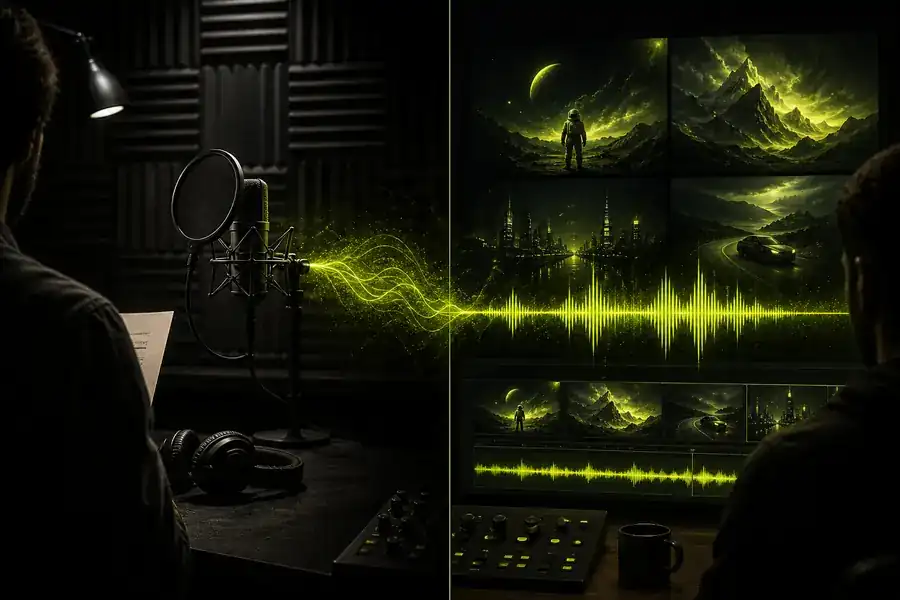
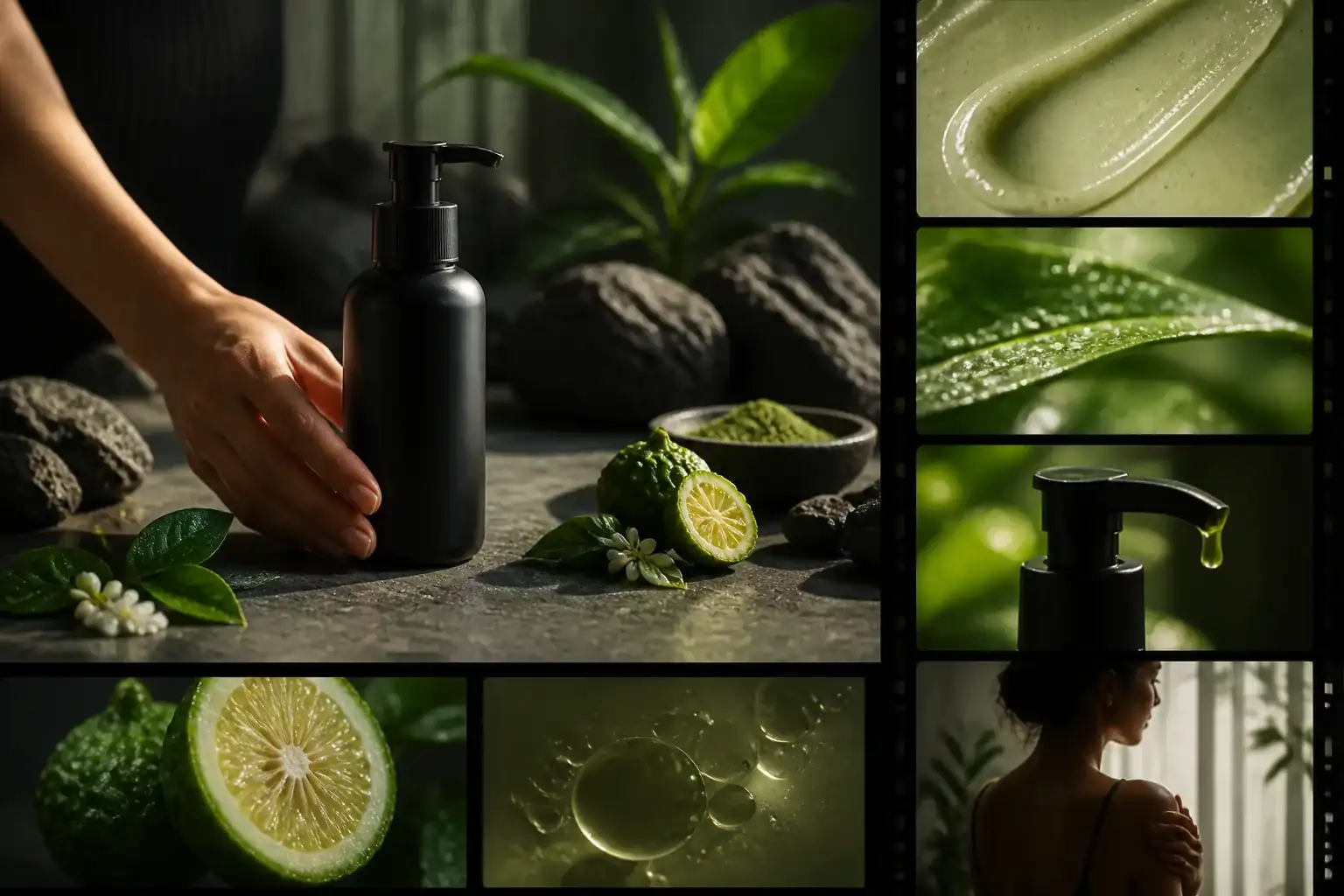
The voice is the connective layer: it gives the cut a pace, gives captions a source, and gives every visual beat a reason to arrive when it does.
Choose the right starting point
Both Veed AI entry points can lead to a finished video, but they organize the first decision differently. Use the voice-focused route when narration is the anchor; use the general editor when the visual idea comes first.
| Attribute | General video editor | Voice generator |
|---|---|---|
| Primary input | Visual brief or existing footage | Written script first |
| Narration controls | Secondary to the broader edit | Central to the workflow |
| Voice preview | Not the first review step | Review before visual polish |
| Captions | Available in the edit | Easy to build from narration |
| Timeline finishing | Full timeline workflow | Voice-led timeline workflow |
| Best for | Visual-first projects | Narrated explainers and social content |
A faster path from words to publish
The best way to evaluate a voice generator is to test it against the exact kind of video you make. Start with a short script, keep the first scene simple, and judge the result by clarity, timing, and how naturally it supports the message.
Yes. Paste or write the narration, review the generated take, and use the result as the spoken layer for a new or existing video project.
That is the point of the Veed AI workflow. Continue with visuals, captions, music, timing, and layout after the narration gives the sequence its structure.
Choose it when narration is the first decision, such as for explainers, tutorials, product demos, or social videos that need several voice-led variations.